

“This report demonstrates what we have known for a long time at Telis, that driving renewables and energy security in the UK requires a multi-technology approach. We are steadfast in our commitment to bringing innovative clean energy hubs to the UK, and are confident that this approach will solve multiple issues from intermittency to grid connection issues.
To make this ambition a reality, the industry will need the support of policymakers to ensure that regulation is adapted to match innovation in the sector. We look forward to working with partners and the UK government to inform this approach.”

William Duncan
CEO, Telis Energy UK
“Meeting the climate targets of grid decarbonisation and net zero will be no small feat. With competition for grid connections causing a bottleneck for the renewable rollout, and a well-publicised backlog of grid connection approvals, innovative solutions to speeding up renewable rollout need to be considered. In today’s grid environment hybrid energy hubs offer a promising solution.
Through integrating a variety of renewable technologies, such as wind and solar power with flexible storage solutions like batteries and hydrogen, all connected to a single grid connection, these hybrid energy hubs could make the most of available resources and increase the amount of clean power on the grid, all while enhancing grid stability.
Of course, nothing is without its challenges, particularly with changing policies and regulations on the horizon creating uncertainty. However, the benefits of hybrid energy hubs could outweigh these concerns, and if the hurdles can be overcome, hybrid energy hubs could become a powerful tool in our transition to a net zero future.”

Ratnottama Sengupta
Senior Consultant, Cornwall Insight
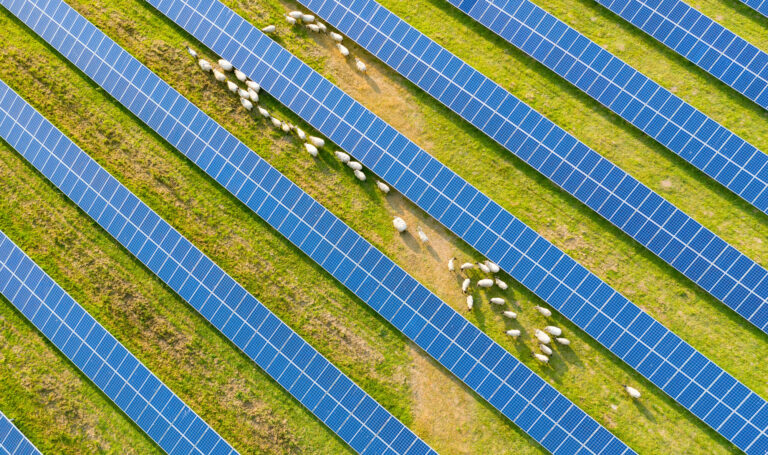
Clean Energy Hubs Offer Promising Solution To Grid Bottleneck
Hybrid clean energy hubs which co-locate multiple low carbon generation technologies offer a promising solution to easing grid connection bottleneck, according to

Reflecting on Labour’s First 100 Days and the Challenge Ahead
Labour’s path to becoming a clean energy superpower.
The Labour Party’s emphatic win at the 2024 General Election has not only transformed